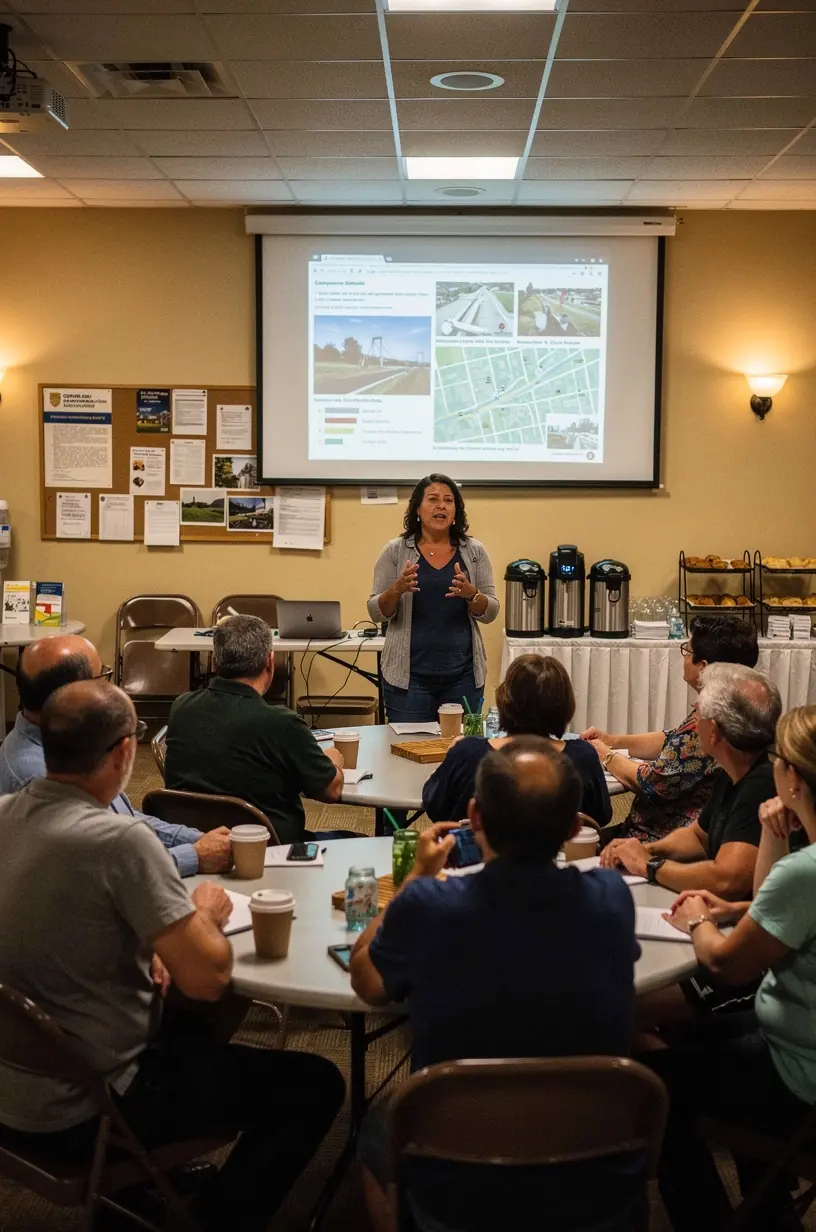
Understanding the Importance of Local History Projects
Local history projects play a crucial role in preserving the narratives of communities across the United States. By delving into the past, these projects not only celebrate local heritage but also foster community engagement and awareness.
The Value of Local History
Local history projects provide invaluable insights into the unique characteristics of a community. As noted by historical researchers, understanding one’s local history can enhance community identity. This often leads to improved civic pride and a stronger sense of belonging among residents.

"Understanding local history fosters a sense of identity and belonging that is crucial for community cohesion."
Educational Benefits
According to studies conducted by various educational institutions, local history projects can serve as effective educational tools. They typically engage participants of all ages, often incorporating interactive elements that encourage active learning.
- Engagement: Many users report increased involvement in community events when they participate in local history initiatives.
- Skill Development: Participants often gain valuable skills such as research, writing, and public speaking, which are essential for personal and professional growth.
- Preservation: These projects often result in the documentation of stories and artifacts that may otherwise be lost.
Building Community Connections
Community historians and local volunteers often collaborate on history projects, which can foster relationships that transcend demographics. Research indicates that collaborative efforts can lead to increased volunteerism and stronger community bonds.
This works because a shared goal helps to unite diverse groups, leading to a more inclusive community atmosphere. Furthermore, experts recommend incorporating local schools into these initiatives to instill a sense of history among younger generations.
Challenges and Considerations
While local history projects offer numerous benefits, there are challenges that must be acknowledged. For instance, these initiatives often require significant time and effort to organize effectively. It typically takes several months to develop a comprehensive project that meets community needs and interests.
Moreover, funding can be a limiting factor, as many projects depend on grants or community donations. Therefore, it is important for organizers to set realistic expectations regarding timelines and required resources.
Conclusion
Local history projects are not just about preserving the past; they are about enriching the present and inspiring the future. By engaging with local history, communities can foster a deeper understanding of their identity, cultivate valuable skills, and strengthen connections among residents. While challenges exist, the potential benefits make these initiatives worth pursuing.