The Impact of New Developments on Community Dynamics
As neighborhoods evolve, new developments can significantly alter the dynamics of local communities. Understanding how these changes affect residents, businesses, and social interactions is crucial for fostering a vibrant community. This article explores the multifaceted impact of new developments on community dynamics while providing insights backed by research and expert opinions.
Understanding Community Dynamics
Community dynamics refer to the social, economic, and environmental interactions that shape a neighborhood. According to studies conducted in urban sociology, community dynamics are influenced by various factors, including population density, local amenities, and the presence of new developments. New developments often lead to increased population density, which can both enhance and complicate community interactions.
Positive Impacts of New Developments
New developments can introduce a variety of benefits to local communities. Here are some potential positive impacts:
- Economic Growth: New residential and commercial projects typically attract businesses and create jobs. Research shows that areas with new developments may experience a 10-15% increase in local employment.
- Improved Infrastructure: Developments often necessitate upgrades to local infrastructure, including roads, parks, and public transport, which can enhance the quality of life for residents.
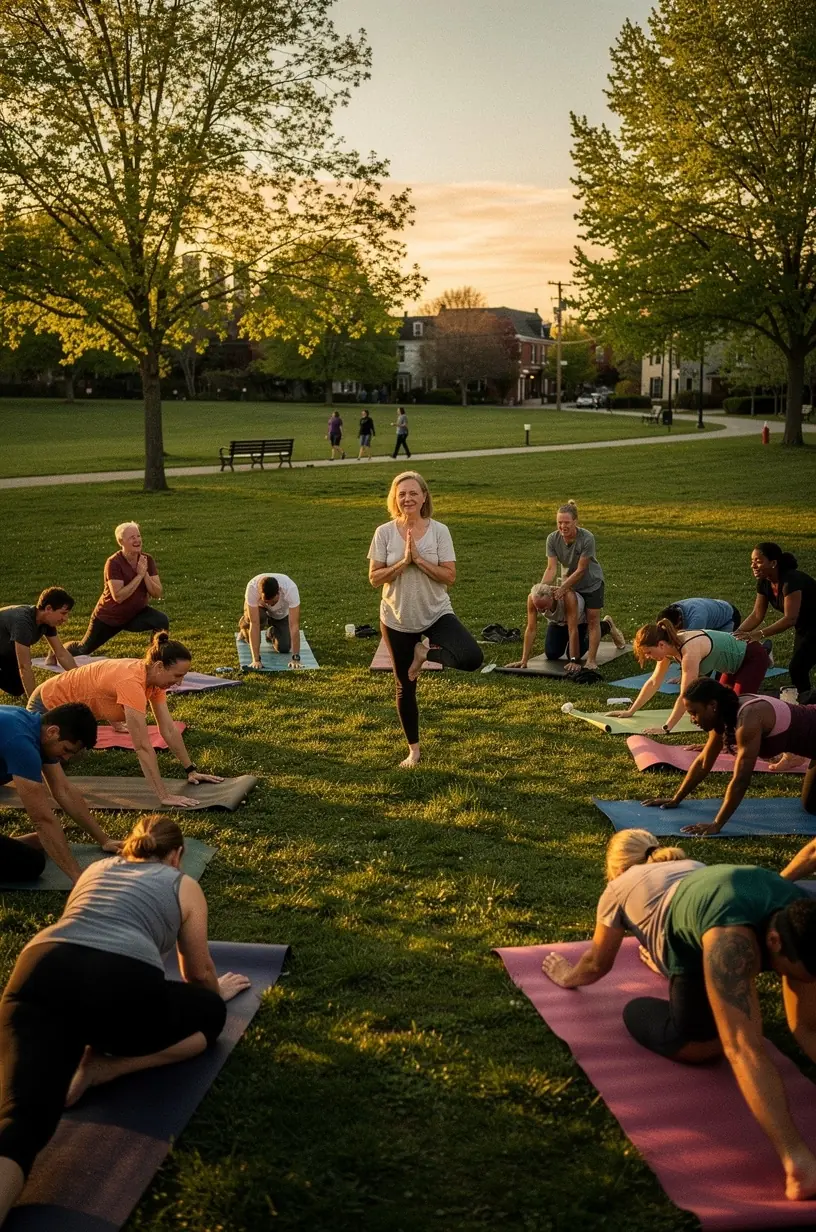
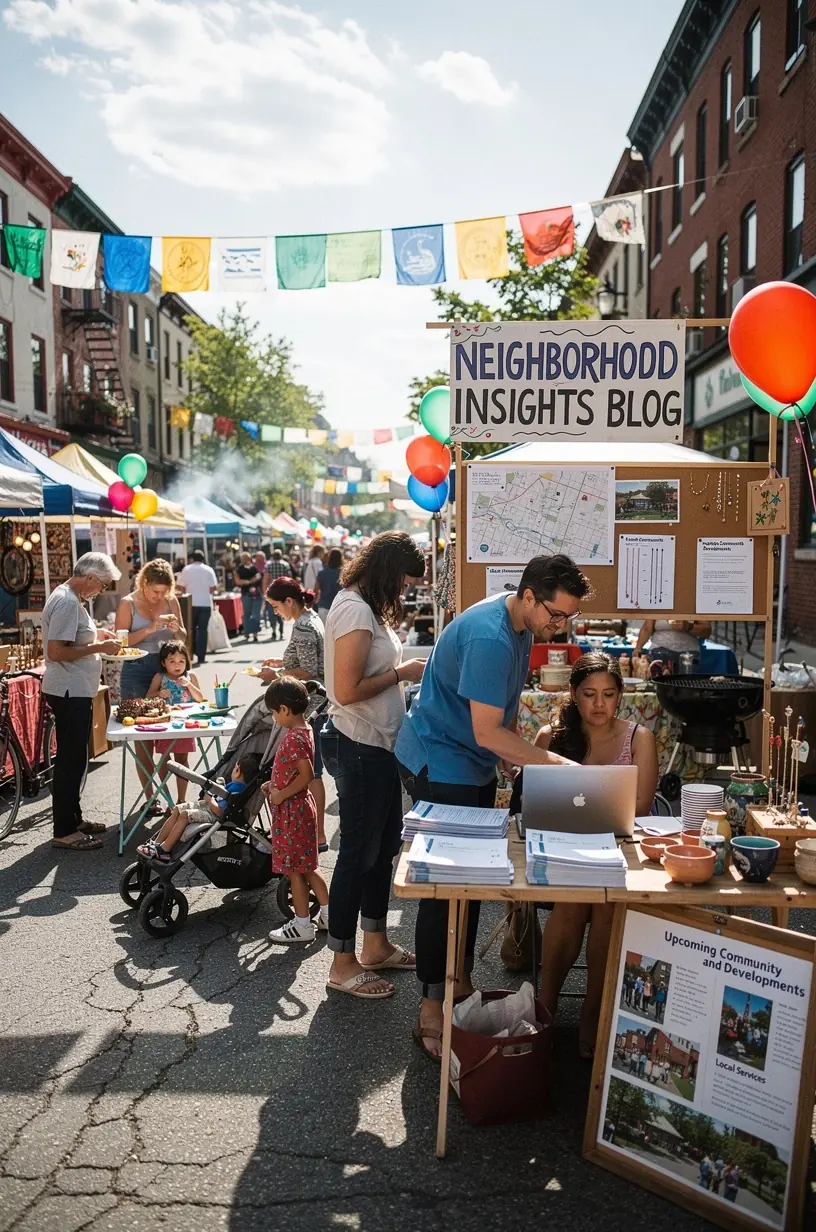
- Increased Community Engagement: New facilities, such as community centers and parks, can foster social gatherings, leading to stronger community ties. Experts recommend that communities encourage these interactions to build a sense of belonging.
"New developments can serve as catalysts for community engagement, leading to enhanced social cohesion and a vibrant neighborhood culture." - Urban Development Expert
Challenges Associated with New Developments
While the benefits are notable, there are also potential challenges tied to new developments:
- Displacement: Long-term residents may face displacement due to rising property values and rents, as new developments can drive up demand.
- Changing Neighborhood Identity: New constructions can alter the character of a community, leading some residents to feel disconnected from their roots. This is especially true in historically significant neighborhoods.
- Resource Strain: An influx of new residents may strain local resources, including schools, healthcare, and public services, if not planned for adequately.
Strategies for a Balanced Development Approach
For communities to reap the benefits of new developments while mitigating challenges, a balanced approach is critical. Here are some strategies recommended by urban planners:
- Inclusive Planning: Involve community members in the planning process to ensure that new developments reflect the needs and desires of existing residents.
- Affordable Housing Initiatives: Implement policies that promote affordable housing options to prevent displacement and maintain community diversity.
- Infrastructure Assessment: Prioritize infrastructure assessments to determine necessary upgrades before new developments begin, thus ensuring resources are available for increasing populations.
Conclusion
The impact of new developments on community dynamics is complex and multifaceted. While they can drive economic growth and enhance community engagement, they also pose challenges that require careful management. By prioritizing inclusive planning and community feedback, neighborhoods can foster positive changes that benefit both newcomers and long-time residents alike. Ultimately, understanding these dynamics is essential for creating a thriving, cohesive community.