Practical Guide to Starting a Neighborhood Book Club
Creating a book club in your neighborhood can foster community connections and promote a love of reading. This guide offers practical steps and insights to help you successfully start a book club that fits your community's needs.
Understanding the Basics of Book Clubs
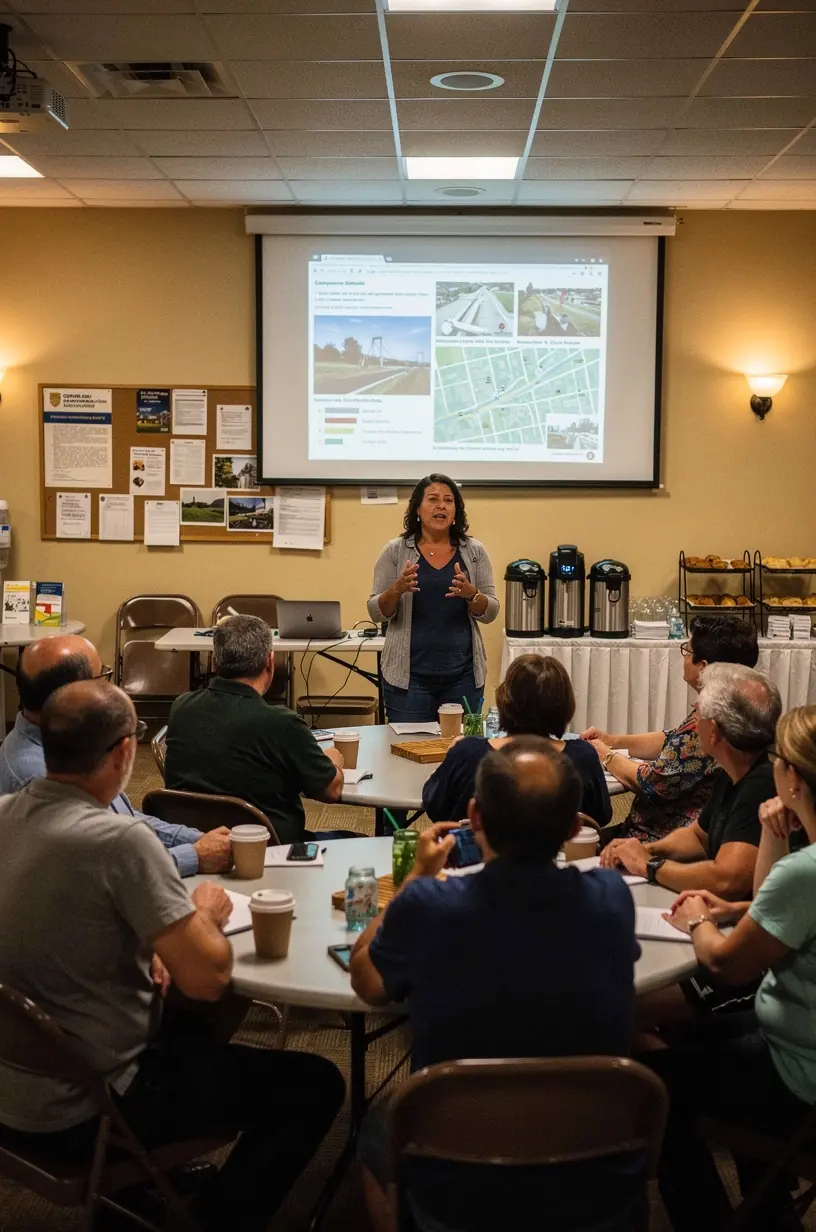
Book clubs typically serve as a platform for individuals to share their thoughts on literature and engage in thoughtful discussions. According to studies, participating in a book club can enhance critical thinking skills and improve social interactions. The goal is to create a welcoming environment where participants can express their opinions and learn from each other.

"A book club not only promotes reading but also builds lasting relationships within the community." - Literature Expert
Steps to Start Your Neighborhood Book Club
Starting a book club involves a series of steps that help ensure its sustainability and enjoyment. Here’s a structured approach:
- Gather Interest: Begin by speaking to friends, neighbors, and local community members. You may find that many people are eager to join a book club, especially if they are passionate about reading.
- Set Clear Goals: Determine the purpose of your book club. Is it to explore specific genres, discuss bestsellers, or focus on local authors? This clarity will help attract the right participants.
- Select a Meeting Format: Decide how often the group will meet—monthly is a common frequency. Consider whether meetings will take place in person, virtually, or in hybrid formats. Research indicates that a clear schedule helps maintain engagement.
- Choose a Location: Identify suitable venues for your meetings. Public libraries, community centers, or even local cafes can provide a cozy atmosphere conducive to discussion.
- Pick Book Titles: Collaborate with participants to select reading material. Experts suggest rotating the responsibility of book selection among members, allowing everyone to contribute and feel valued.
- Establish Ground Rules: Set guidelines for discussions, such as respecting differing opinions and keeping conversations focused on the book. This helps maintain a positive environment.
Maintaining Engagement and Interest
Once your book club is established, keeping members engaged is crucial for its longevity. Here are some suggestions:
- Encourage Participation: Foster a culture where everyone feels comfortable sharing their thoughts. This can often lead to more enriching discussions.
- Incorporate Themes: Occasionally, consider hosting themed meetings based on the book’s context or genre. This adds an element of fun and creativity.
- Invite Guest Speakers: When possible, invite local authors or experts to join discussions. Research shows that guest insights can deepen understanding and spark interest.
Conclusion
Starting a neighborhood book club can be a rewarding venture that enriches your community. By following the outlined steps and maintaining open communication, your club can thrive and foster a shared love for reading. Remember, the key to a successful book club lies in creating an inclusive and supportive environment where all voices are heard and respected.
Learn More