The Importance of Urban Green Spaces
Urban green spaces play a vital role in enhancing the quality of life for city dwellers. These areas contribute significantly to environmental health, social interactions, and individual well-being. This article explores the various benefits of urban green spaces, backed by research and expert insight.
Understanding the Benefits of Urban Green Spaces
According to studies, urban green spaces are essential for fostering community well-being. They provide numerous benefits, including:

- Improved Air Quality: Green spaces can help reduce air pollutants, as plants absorb carbon dioxide and release oxygen. Research indicates that urban parks can lower pollution levels by up to 25%.
- Increased Physical Activity: Studies show that access to parks and natural areas encourages physical activity among residents. Areas with ample green spaces often see higher levels of walking and recreational activities.
- Enhanced Mental Health: Experts recommend spending time in natural settings for mental well-being. The presence of green spaces is associated with reduced stress and anxiety levels, promoting overall mental health.
"Urban green spaces are not just aesthetic; they are foundational to the health and happiness of urban populations." - Urban Planning Expert
Practical Applications of Urban Green Spaces
Implementing urban green spaces can involve various strategies that consider community needs:
- Community Gardens: These spaces can foster social connections and provide fresh produce, enhancing food security in urban areas. Many communities have reported increased community engagement through gardening initiatives.
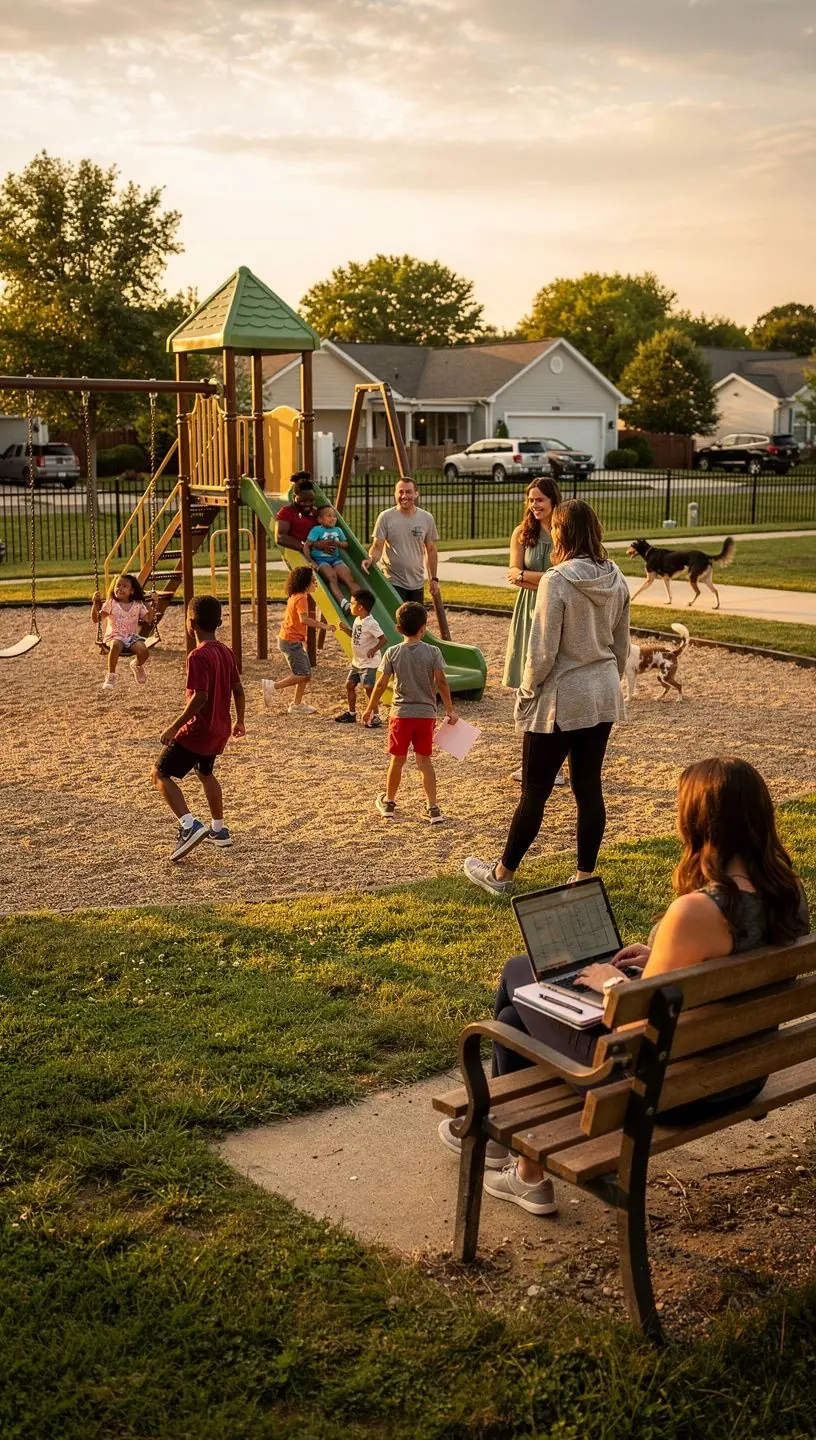
- Parks and Recreational Areas: Developing parks with walking trails, seating areas, and recreational facilities can promote physical activity. Such areas are often designed with input from local residents, ensuring they meet community needs.
- Green Roofs and Vertical Gardens: Incorporating greenery into buildings helps combat urban heat islands. Studies suggest that green roofs can reduce indoor temperatures by up to 5 degrees Fahrenheit, leading to lower energy costs.
Challenges and Considerations
While the benefits of urban green spaces are clear, there are important considerations to keep in mind:
- Developing and maintaining green spaces can require significant investment, both financially and in terms of community engagement.
- It is crucial to involve local residents in the planning process to ensure that the spaces meet their needs and preferences.
- Urban green spaces must be designed with sustainability in mind to ensure they thrive over time, which often requires expert knowledge in landscaping and environmental science.
Conclusion
Urban green spaces are a fundamental aspect of thriving communities. They provide environmental, social, and health benefits that contribute to the overall well-being of residents. While challenges exist in creating and maintaining these areas, the positive impact they have on urban life is well-documented. By prioritizing green spaces, cities can foster healthier, happier, and more connected communities.