Understanding the Role of Community Associations
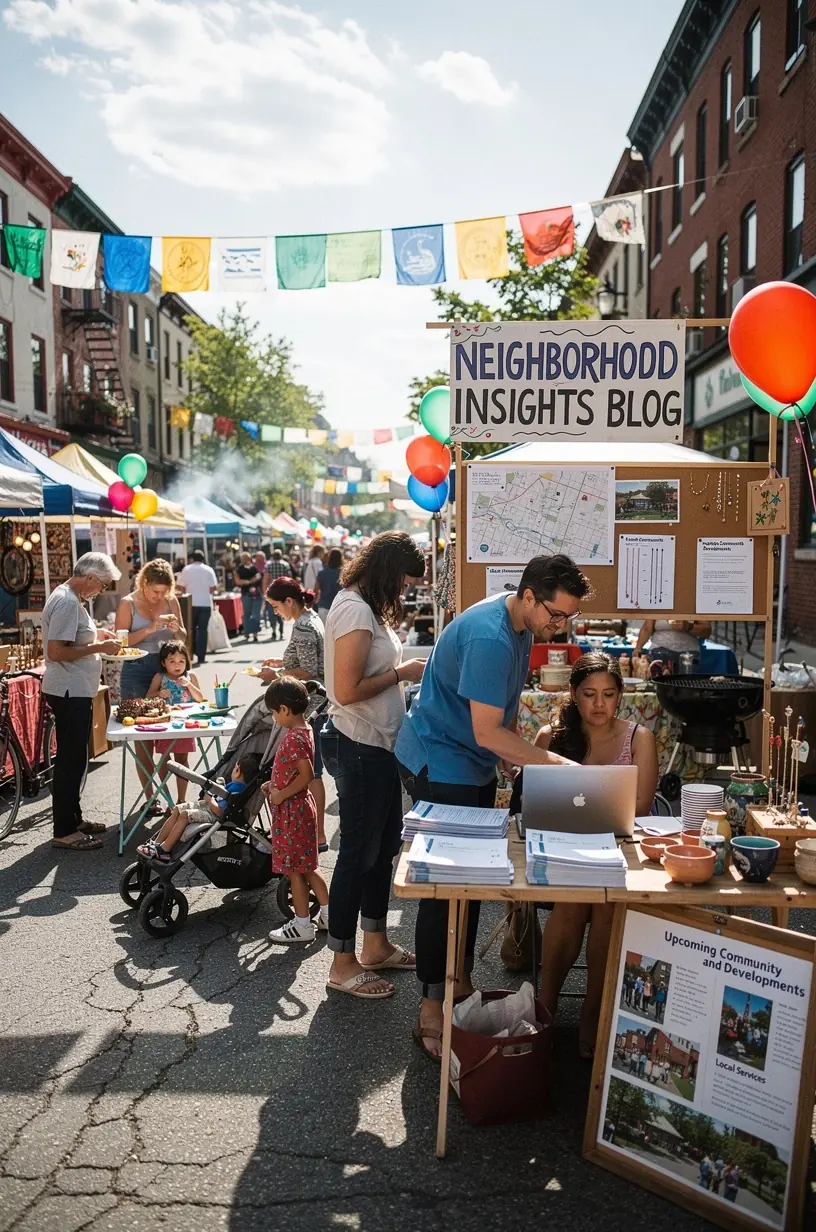
Community associations play a vital role in enhancing the quality of life in neighborhoods across the United States. These organizations serve various functions, including maintaining shared spaces, enforcing community standards, and fostering social interaction among residents. This article explores the essential roles these associations play and provides insights into their impact on local communities.
Understanding the Basics
Community associations, often known as homeowners associations (HOAs), typically manage common areas and enforce policies that promote the welfare of residents. According to the Community Associations Institute, there are over 350,000 community associations in the U.S., representing about 74 million residents. They often include amenities such as parks, swimming pools, and community centers, which contribute significantly to neighborhood appeal and property values.
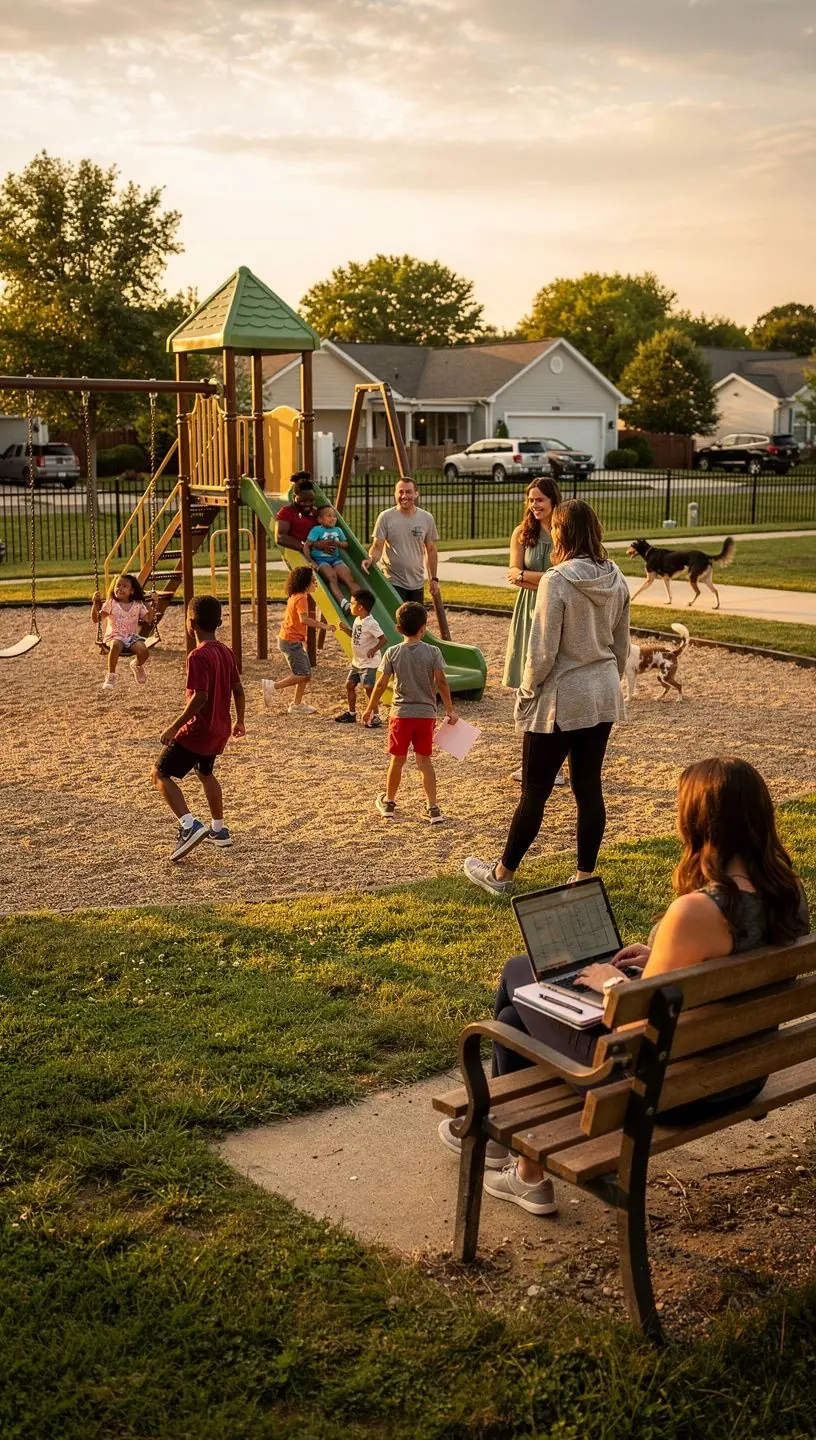
"Community associations are essential for maintaining property values and ensuring a cohesive community environment."
Key Responsibilities of Community Associations
The roles of community associations can vary widely, but several key responsibilities are common across many organizations:
- Maintenance of Common Areas: This typically includes landscaping, cleaning, and repairs of shared spaces, which can enhance the overall aesthetic appeal of the neighborhood.
- Enforcement of Rules and Regulations: Community associations establish guidelines that residents are expected to follow. These rules are designed to maintain order and promote a harmonious living environment.
- Financial Management: Many associations are responsible for collecting dues from residents to fund maintenance and community activities. Effective financial management is crucial for the sustainability of the association.
The Benefits of Joining a Community Association
Research indicates that living in a community with an organized association can lead to increased satisfaction among residents. Some of the benefits include:
- Strengthened Community Ties: By facilitating events and activities, associations can help foster a sense of belonging among residents.
- Improved Property Values: Areas with active associations often see higher property values due to enhanced services and community maintenance.
- Conflict Resolution: Associations often provide mechanisms for resolving disputes between residents, which can promote a more peaceful living environment.
Acknowledging Limitations
While community associations offer numerous benefits, they also come with certain limitations. Participation in an association typically requires a commitment of time and resources. Residents may need to attend meetings regularly, participate in committees, or volunteer for events. Additionally, some residents may feel that rules are too restrictive, leading to tension within the community.
Conclusion
Community associations play an integral role in shaping the dynamics of neighborhoods across the United States. By managing common interests, facilitating communication among residents, and upholding community standards, these associations contribute to a more organized and enjoyable living experience. Understanding their functions and responsibilities can help residents better appreciate the value that these organizations bring to their communities.